Quick answer
The best medical alert bracelet is simply the one you'll wear every day that clearly shows your condition, allergy or medication. MediCarry bracelets set the wording into the metal so it doesn't wear off, carry the universal medical alert symbol, and come in a range of sizes including slim and women's options.
The best medical alert bracelet isn't a single product. It's the one that fits your condition, your wrist and your daily life well enough that you'll actually wear it. This 2026 guide walks through what to look for, then matches the right MediCarry option to each need.
- A good medical ID is clear, recognisable, comfortable and durable.
- Choose by condition first, then by fit and style.
- The best one is the one you'll wear every day.
What makes a good medical alert bracelet?
Whatever you choose, a few things matter more than looks alone:
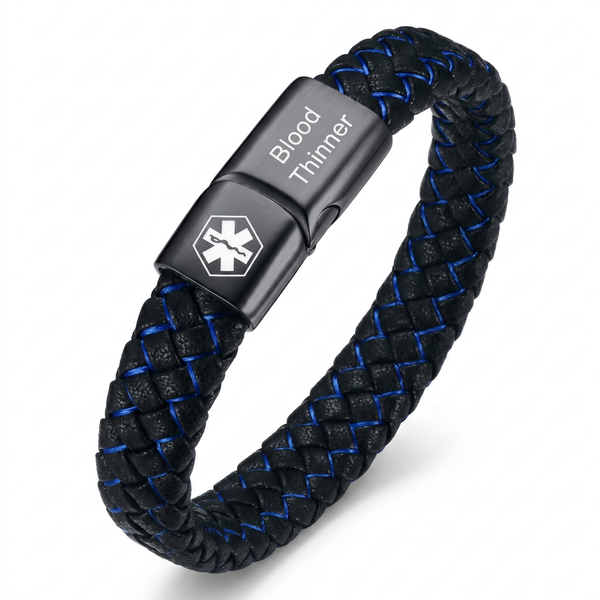
- Clear and recognisable – the condition on the front and the universal medical alert symbol on the reverse, so responders can read it at a glance.
- Comfortable and adjustable – something that fits your wrist and is easy to put on.
- Durable – wording set into the metal, not surface-printed, so it doesn't wear off.
- Something you'll wear – a design that looks like everyday jewellery, not an obvious hospital tag.
MediCarry bracelets are built around exactly these points. Not sure whether you need one at all? Start with our guide on whether you need a medical alert bracelet.
Best for everyday wear
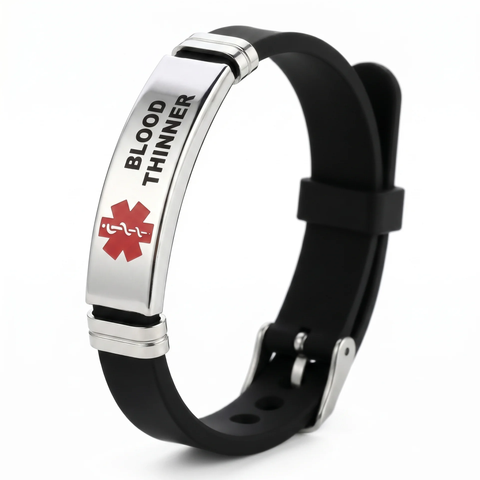
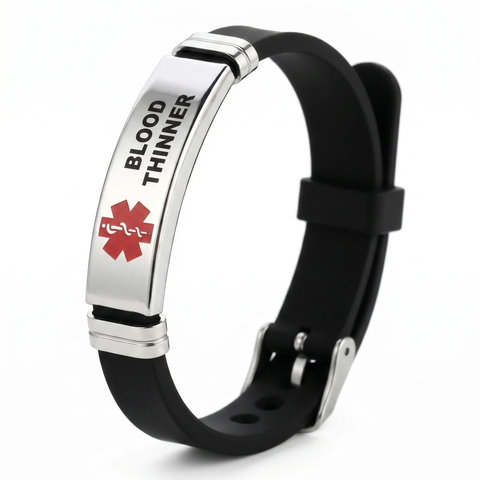
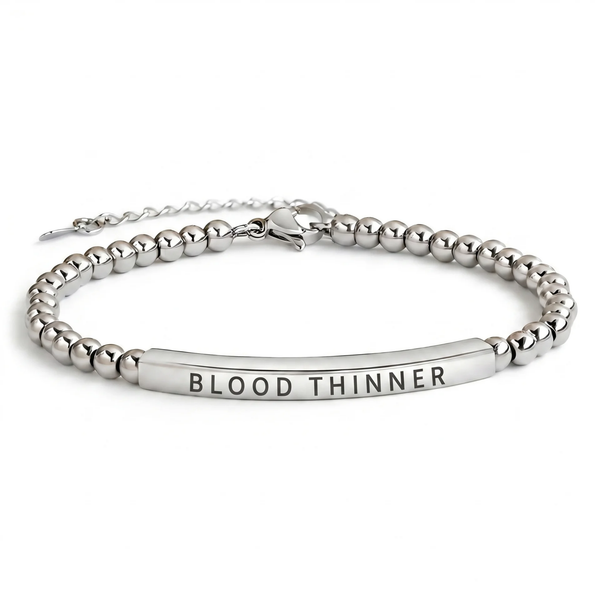
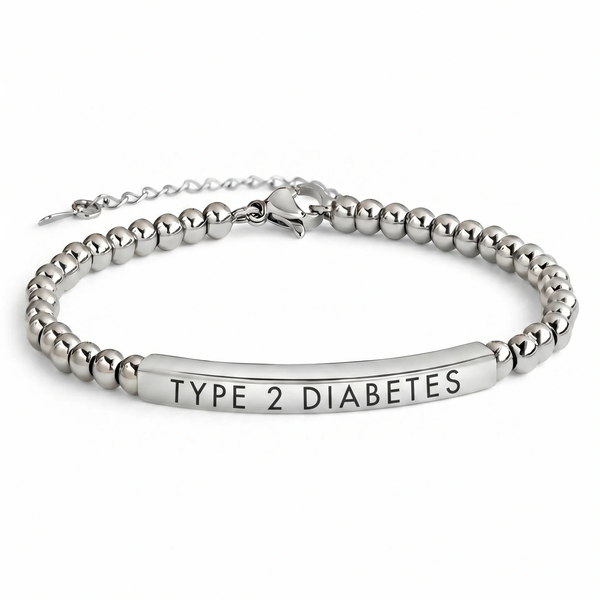
The standard bracelet is the all-rounder: fully adjustable to fit most wrists, designed to look like jewellery, with a clasp that clicks shut one-handed. See the full bracelet range.
Best for smaller wrists
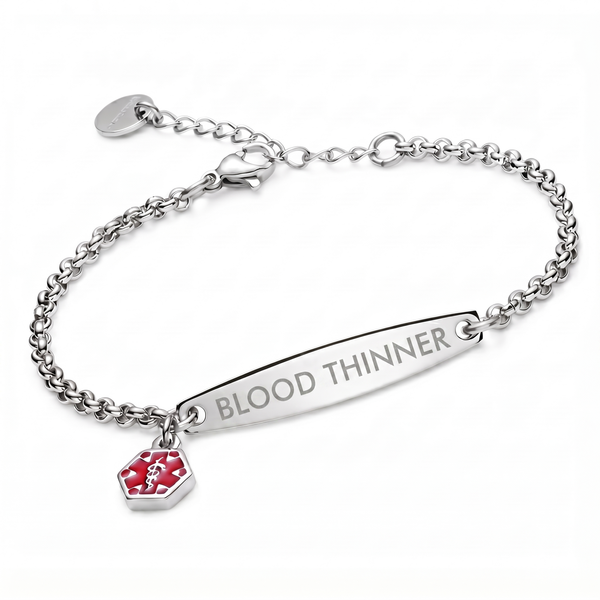
If a standard band is too big, the slim and women's styles offer a lighter profile sized for a smaller wrist, without losing the clear front wording or the symbol on the reverse.
Best for a specific condition or medication
Choose the design marked for what matters most:
- Blood thinners and Eliquis
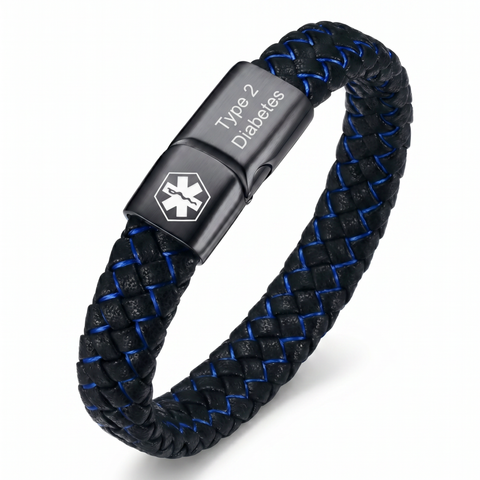
- Diabetes (Type 1 and Type 2)
- Epilepsy, pacemakers and chronic kidney disease
- Penicillin allergy
Best if you'd rather not wear a bracelet
A necklace sits at the collarbone, where responders check after the wrist. The capsule necklace goes further: it unscrews to hold a slip you write yourself, so it's also the best choice if you need to record several medications, allergies and an emergency contact. See how they compare in bracelet vs necklace.
Best discreet or spare option
A keychain travels with your keys or bag rather than on your body. It's a popular spare, or an option for people who prefer not to wear jewellery, and many people use one alongside a bracelet.
Best for an older relative
Buying for a parent or grandparent? Our guide for seniors covers the practical details: an easy one-handed clasp, a comfortable adjustable fit, and a look they'll be happy to wear daily.
What you get with MediCarry
- Wording set into the metal, so it doesn't wear off
- A free MediCarry Care Kit included with every order
- 30-day returns if it doesn't fit or isn't right
- Worldwide shipping, tracked, on a flat rate
Frequently asked questions
What's the best medical alert bracelet?+
The best one is the one that matches your condition and fits comfortably enough that you'll wear it every day. Choose by condition first, then by fit and style.
What should I look for in a medical alert bracelet?+
A clear front (the condition in capitals), the universal medical alert symbol on the reverse, a comfortable adjustable fit, and durable wording that's set into the metal rather than printed on.
Which is best for a smaller wrist?+
The slim and women's styles are sized for smaller wrists. All our bracelets are fully adjustable, and you can return within 30 days if the fit isn't right.
Are they waterproof?+
The metal parts are fine with water. Brief contact in the shower or rain is no problem; just towel it dry. Avoid prolonged submersion in chlorinated pools or salt water.