Quick answer
A medical alert bracelet for a senior displays key conditions, medications or allergies where an emergency team can see them if your relative can't speak for themselves. It's identification only, not a monitoring device or alarm, and it's a personal choice. A range of sizes suits most wrists.
For an older adult living with a health condition, a medical alert bracelet is a simple way to carry key information, and for family, a quiet piece of reassurance. This guide covers why families consider one, what to look for, and how to choose a bracelet a parent will actually wear.
- It carries one clear fact for an emergency team if your relative can't explain it themselves.
- Look for something easy to put on and comfortable to wear every day.
- Our bracelets are fully adjustable, with a clasp that clicks shut one-handed.
- It's identification, not treatment, and doesn't replace telling medical staff.
Why families consider one
MediCarry began with a family's experience of exactly this: a father who lived alone, on a blood thinner, and a delay before responders knew what he took. If an older relative is ever unable to speak for themselves, a visible medical ID passes on the fact that matters. As we describe it, emergency staff are trained to check the wrist as one of the first steps when assessing someone who is unresponsive, so a bracelet puts the information where they already look.
The wrist is the first thing paramedics check.
A bracelet is identification, not treatment. It doesn't monitor your relative or alert anyone automatically. Whenever they're able to, they should still tell medical staff about their conditions and medications.
What to look for
For an older adult, the practical details matter most:
- Easy to fasten – our clasp clicks shut with one hand, which helps with reduced dexterity.
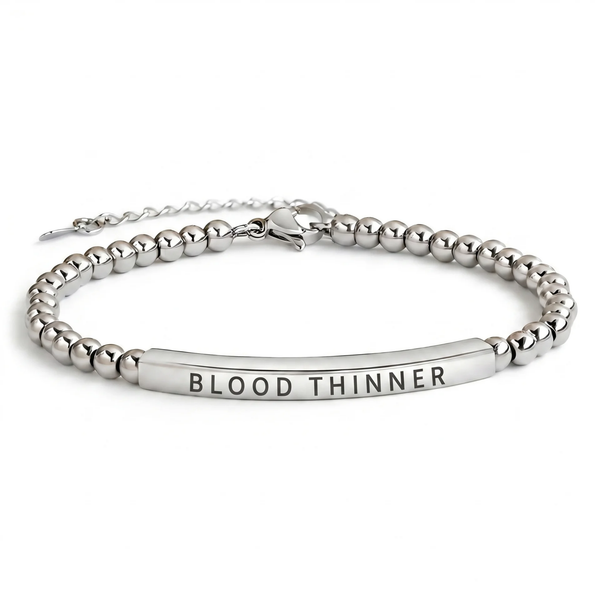
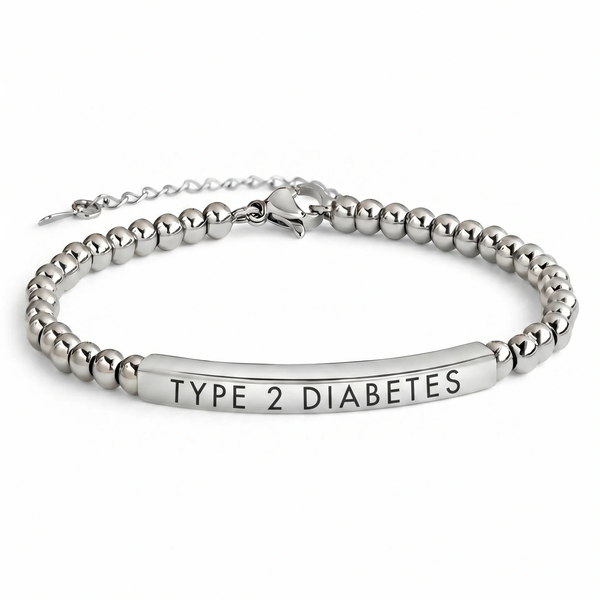
- Comfortable and adjustable – fully adjustable to fit most wrists, with a slim option for smaller wrists.
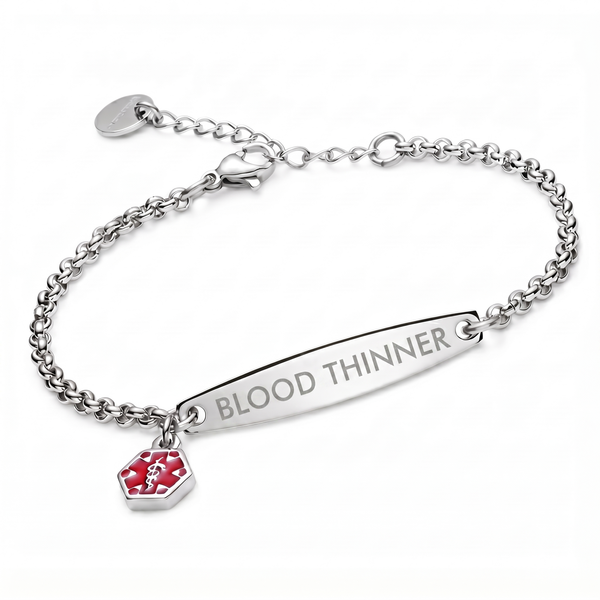
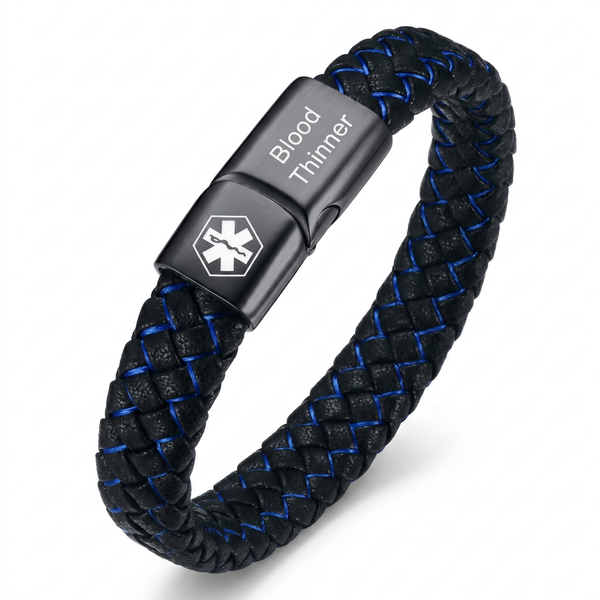
- Looks like jewellery – something they'll be happy to wear daily, not an obvious hospital tag.
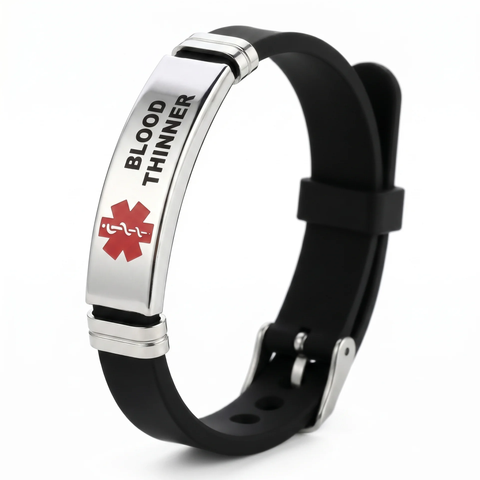
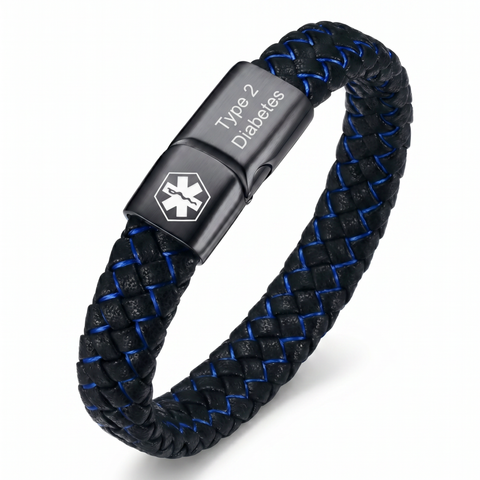
- Clear and durable – the condition is set into the metal, so it doesn't wear off.
Buying for a parent or relative
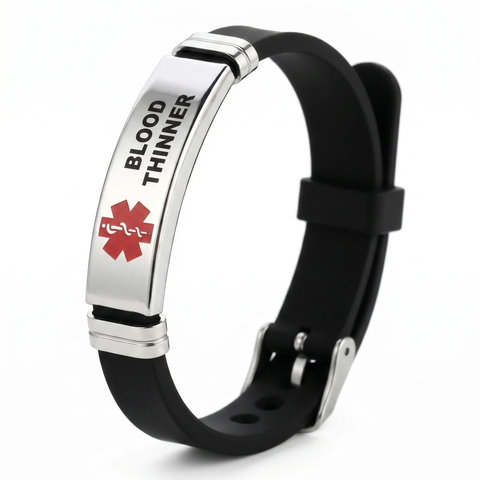
Choose the design that matches their main condition, whether that's a blood thinner, diabetes, a pacemaker or another condition in the full range. Because the bracelets are fully adjustable, you don't need an exact wrist measurement, and if it isn't right, you can return it within 30 days. If you'd like to record several medications and an emergency contact, the capsule necklace holds a written slip you can update.
Caring for it
The metal parts are fine with water. Brief contact in the shower or rain is no problem; just towel it dry afterwards. Avoid prolonged submersion in chlorinated pools or salt water.
Frequently asked questions
Is a medical alert bracelet good for an elderly parent?+
Many families choose one so an emergency team can see key information if their relative can't explain it themselves. It's a personal choice, not a requirement. If you're unsure, it's worth a conversation with their doctor.
Do I need my relative's wrist size?+
Not exactly. Our bracelets are fully adjustable to fit most wrists, with a slim option for smaller wrists. If it doesn't fit, you can return it within 30 days.
Is it easy to put on?+
Yes. The clasp clicks shut with one hand and is designed so it doesn't pop open accidentally, which helps if dexterity is reduced.
Can it hold more than one detail?+
The bracelet carries the headline fact. For several medications, allergies and an emergency contact, the capsule necklace holds a written slip you can update any time.