Quick answer
No condition strictly requires a medical alert bracelet. Wearing one is always a personal choice. People commonly consider one for long-term conditions (like diabetes, epilepsy, heart conditions or kidney disease), serious allergies, or key medications such as blood thinners or insulin. If you're unsure, ask your doctor.
No condition strictly requires a medical alert bracelet. Wearing one is always a personal choice. That said, people commonly consider one when they have an ongoing condition, a serious allergy, or take a regular medication that an emergency team would benefit from knowing about quickly.
- It's a personal choice, never a medical requirement.
- Commonly chosen for long-term conditions, serious allergies and key medications.
- The aim: make important information visible if you can't speak for yourself.
- If you're unsure whether one would help you, ask your doctor.
Conditions people commonly choose one for
There's no official list, but people often consider a medical ID when they live with:
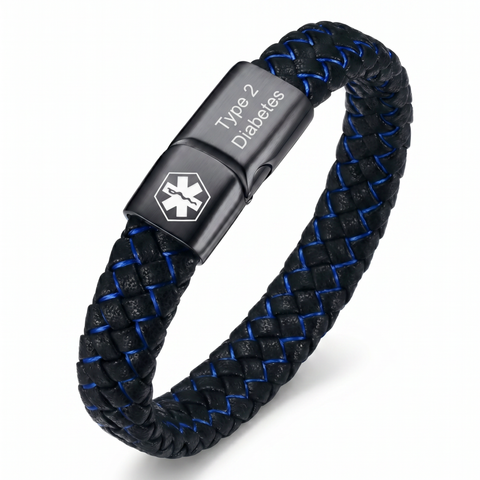
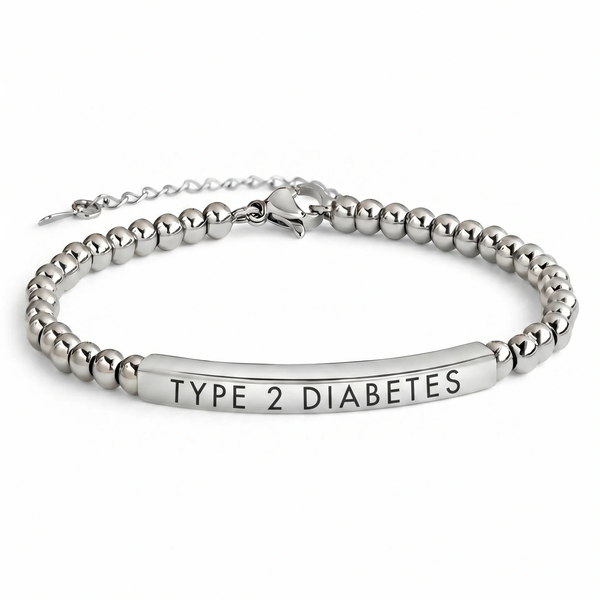
- Diabetes (Type 1 or Type 2)
- Epilepsy or a seizure condition
- A heart condition or a pacemaker
- Chronic kidney disease
Medications people commonly flag
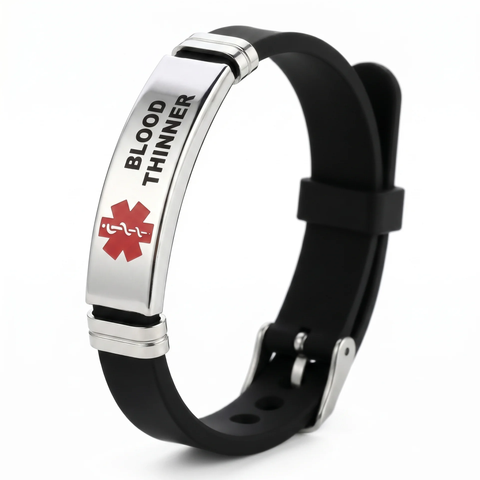
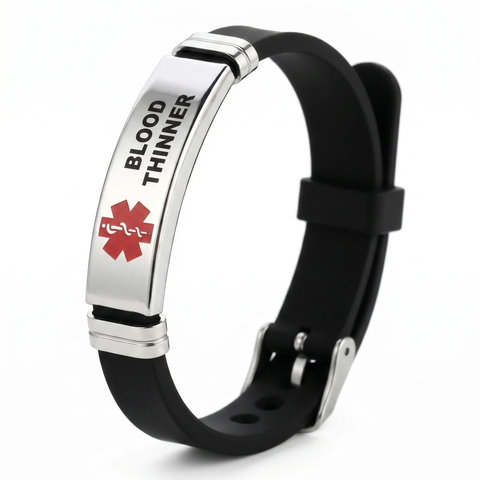
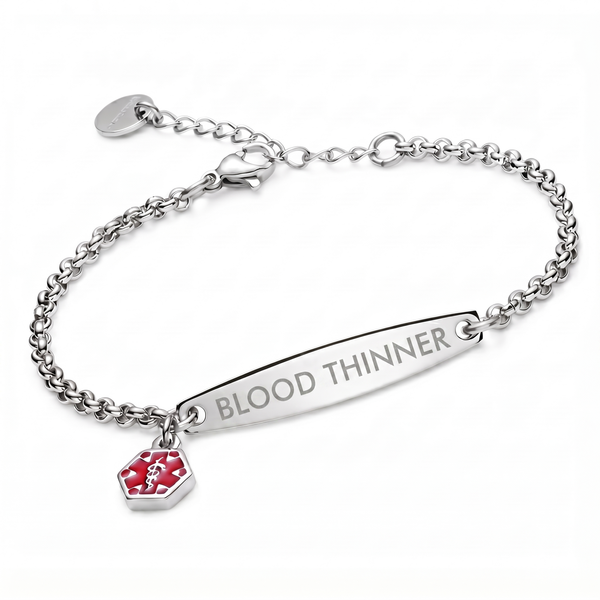
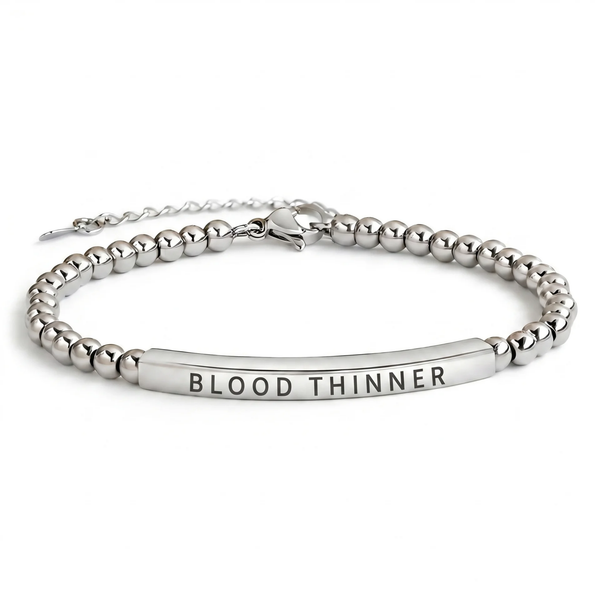
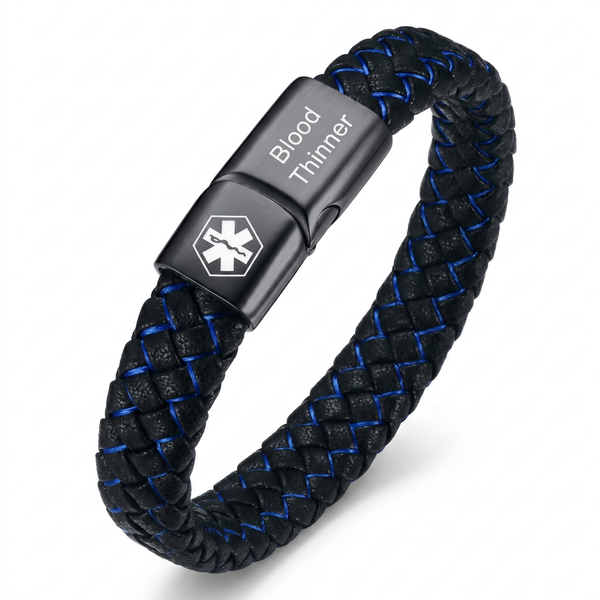
- Blood thinners such as Eliquis, warfarin or Xarelto
- Insulin
- Other medications your doctor considers important in an emergency
Allergies
A serious allergy, for example a penicillin allergy or a severe food allergy, is another common reason people choose a visible ID, so responders can avoid a trigger if you can't tell them yourself.
Why it's always personal
Whether a medical alert bracelet helps depends on your circumstances, such as how often you're alone, how much those around you know, and what your doctor advises. A bracelet is identification, not treatment. It simply makes your key information visible. If any of the above sounds like you, it's worth a conversation with your own doctor. Browse all bracelets to see the range.
Frequently asked questions
Is a medical alert bracelet ever required?+
No. It's always a personal choice rather than a medical requirement. Many people choose one for peace of mind; whether it's right for you is worth discussing with your doctor.
Which conditions benefit most?+
People often find one most useful for conditions, allergies or medications that would change how an emergency team treats them, but the value depends on your own situation, so ask your doctor.
Can I show more than one condition?+
Our bracelets are fixed designs showing one condition, so lead with the most important. To record several details, our Capsule Necklace holds a written slip you can update over time.